

How On Demand Delivery Software Is Reshaping Supply Chain Efficiency
This change is being driven by rising order volumes and higher delivery expectations. Businesses are under pressure to deliver faster while using fewer resources. Many organizations are turning to on demand delivery software to meet these demands.
Industry observers, including Mobility Infotech, note that this shift reflects a broader effort to improve speed, visibility, and control across supply chain operations.
What Defines an On Demand Delivery System
An on demand delivery system connects orders, drivers, routes, and customers through a single digital platform. Unlike traditional delivery models, it does not depend on static plans or manual coordination.
Orders are assigned in real time based on demand and availability. This approach reduces idle time, missed deliveries, and delays caused by human intervention. It also allows supply chains to respond quickly to last minute changes.
Visibility Improves Across the Delivery Network
Limited visibility has long been a challenge in supply chain management. When teams lack real-time information, small issues can turn into major disruptions.
On demand delivery software improves transparency by showing the status of each delivery step. Managers can see where goods are, which driver is assigned, and when the delivery is expected to arrive. This information helps teams identify risks early and take corrective action.
Better visibility also reduces the need for follow-ups and status checks. Customers receive timely updates, and internal teams spend less time tracking orders manually.
Automation Reduces Daily Operational Load
Manual processes slow down delivery operations. Phone calls, spreadsheets, and paper-based records increase the chance of errors and delays.
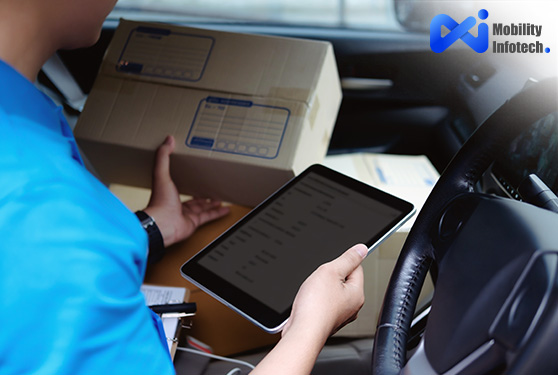
On demand delivery software replaces these steps with automated workflows. Orders are dispatched instantly. Drivers receive tasks through mobile applications. Delivery updates are shared in real time without manual input.
According to Mobility Infotech, automation allows operations teams to focus on exceptions rather than routine coordination. This improves response times and overall efficiency.
Smarter Routing and Better Use of Resources
Routing efficiency plays a major role in delivery performance. Static route plans often fail to account for traffic conditions or sudden changes.
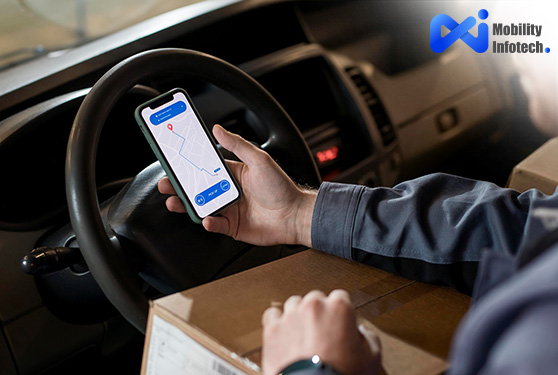
On demand delivery systems use live data to assign optimized routes. This reduces travel time and fuel consumption. Over time, even small route improvements result in meaningful cost savings.
Labor utilization also improves. Drivers are matched to tasks based on location and availability. Downtime decreases, and workloads are better balanced. Supply chains can handle higher delivery volumes without expanding fleets or staff.
Flexibility Supports Changing Demand Patterns
Demand rarely stays consistent. Seasonal spikes, promotions, and service disruptions can strain rigid delivery networks.
On demand delivery software allows businesses to scale delivery capacity up or down as needed. Operations adjust throughout the day based on real-time demand. This flexibility supports service continuity during uncertain conditions.
The Influence of Taxi Dispatch Software on Modern Delivery
Many modern on demand delivery systems are built on concepts first used in taxi dispatch software. Early taxi dispatch platforms introduced real-time vehicle tracking, automated job assignment, and GPS-based routing.
These features demonstrated that dynamic dispatch could work at scale. Today, the same principles support complex supply chain delivery networks across industries.
Adoption Across Multiple Industries
On demand delivery technology is now used in many sectors. Retailers rely on it for faster order fulfillment. Logistics providers use it to manage multi-stop routes. Food, grocery, and pharmacy services depend on accurate timing. Service-based businesses use it to optimize field operations.
Data generated by these systems adds long-term value. Delivery times, route performance, and driver activity are recorded automatically. This data helps businesses forecast demand and improve planning. Over time, supply chains become more predictable and resilient.
Security and accountability also improve. Digital records replace manual logs. Each action is time-stamped and traceable. This supports audits, reduces disputes, and improves compliance.
Digital Coordination Becomes a Requirement
As supply chains grow more complex, digital coordination is becoming essential. Businesses need systems that support speed, visibility, and control.
On demand delivery software offers a practical response to these challenges. Aligning data, people, and vehicles, it helps supply chains operate more efficiently in a real time environment.
Expert Column
Saurabh Chopra, CEO, Mobility Infotech
Supply chains today operate in a real time environment. Customers expect accuracy and updates. Delays create ripple effects across operations.
On demand delivery systems help reduce these risks by connecting every part of the delivery process. Orders, drivers, and routes function within one system rather than in isolation.
Many organizations are moving away from static delivery plans. They are choosing flexible models that adjust throughout the day. This improves reliability and reduces pressure on operations teams.
Taxi dispatch software showed that real time coordination could work at scale. The same approach now applies to supply chains. When delivery decisions are guided by data, efficiency follows.
As delivery networks become more complex, systems that adapt quickly will shape how supply chains perform in the future.
Joy Rose
Mobility Infotech
+1 4699012690
email us here
Visit us on social media:
LinkedIn
Instagram
YouTube
Legal Disclaimer:
EIN Presswire provides this news content "as is" without warranty of any kind. We do not accept any responsibility or liability for the accuracy, content, images, videos, licenses, completeness, legality, or reliability of the information contained in this article. If you have any complaints or copyright issues related to this article, kindly contact the author above.
