

From Waste to Wear: Textile Recycling In India Is Leading Fashion Circularity
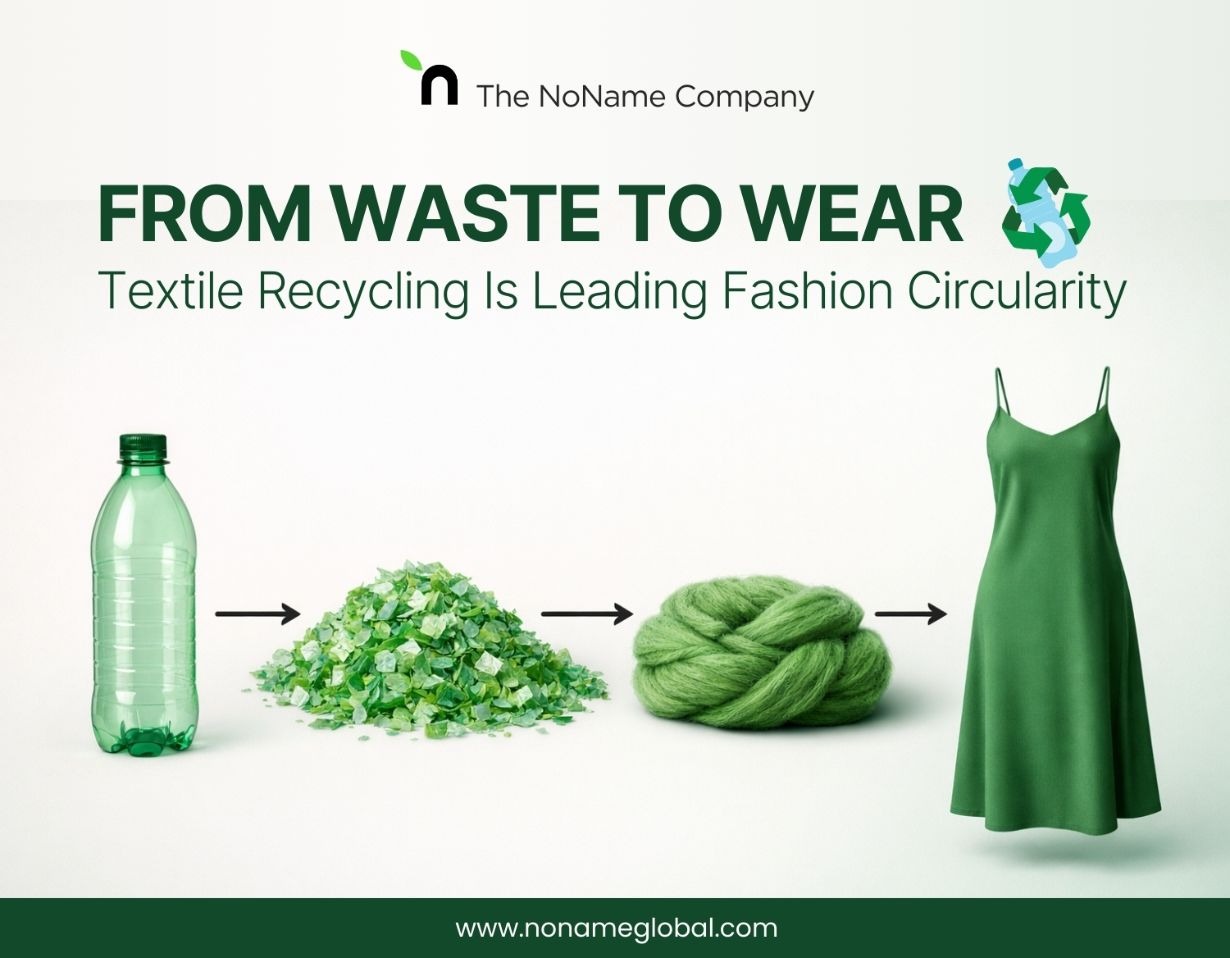
Textile Recycling In India Is Leading Fashion Circularity
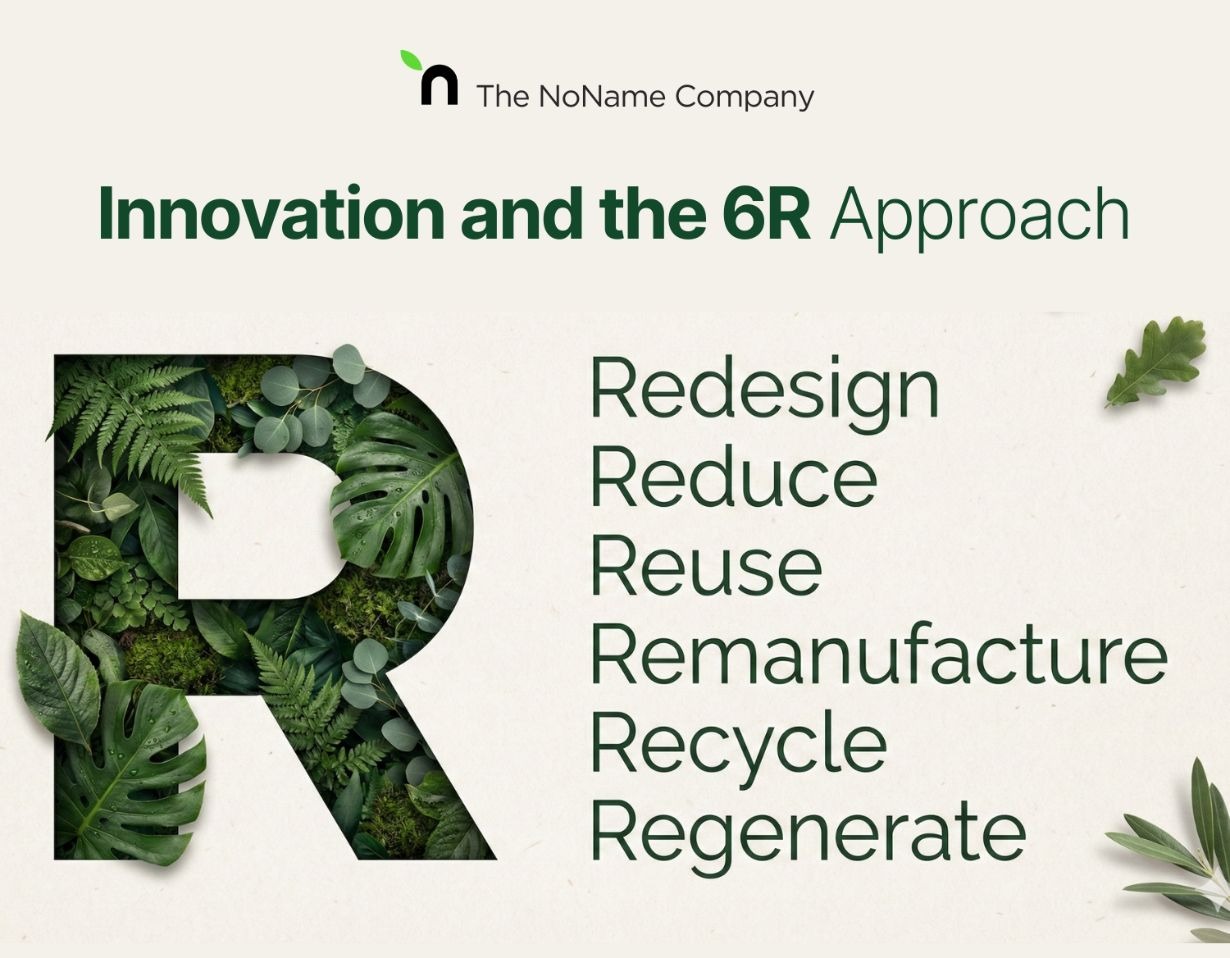
6Rs: Redesign, Reduce, Reuse, Remanufacture, Recycle, Regenerate

NoName Clothing Manufacturers
India’s textile recycling industry is driving global circular fashion, turning waste into sustainable fabrics and garments for conscious brands worldwide.
India generates an estimated 7.8 million tonnes of textile waste every year. What sets the country apart is that nearly 59 per cent of this waste is already reused or recycled through a combination of formal systems and long-established informal networks. This scale of recovery places India among the most advanced circular textile ecosystems in the world.
Driven by innovation in fibre regeneration, upcycling, remanufacturing, and structured waste collection, India is turning discarded textiles into new economic and environmental value. Industry leaders, startups, NGOs, and global collaborators are reshaping how fashion waste is perceived and reused, offering international brands a strong reason to source sustainable apparel from India.
Textile Recycling in India Is Shaping the Future of Circular Fashion
Textile recycling in India has moved beyond pilot projects and is now a strategic industry transformation. According to recent market estimates, India’s textile recycling sector was valued at USD 328.3 million in 2024 and is projected to reach USD 427.2 million by 2033. Growth is being fueled by rising global demand for eco-friendly products and a strong shift toward circular business models.
Established textile hubs such as Panipat and Tiruppur play a central role in this transformation. These regions function as major collection, sorting, and recycling centers that supply recycled yarns, blankets, fabrics, and garments to both domestic and international fashion brands.
Innovation and the 6R Framework Driving Circularity
India’s progress in fashion circularity is guided by the 6R approach: Redesign, Reduce, Reuse, Remanufacture, Recycle, and Regenerate. This framework enables brands and manufacturers to integrate sustainability across the product lifecycle.
Upcycling and remanufacturing initiatives led by brands and NGOs are converting textile scraps and deadstock into contemporary apparel, reducing landfill waste and extending material life cycles. At the same time, advanced fibre regeneration technologies are making it possible to recycle blended and synthetic textiles that were previously difficult to process.
India’s first textile-to-textile recycling facilities are now capable of converting post-consumer polyester waste into virgin quality raw materials. These advancements are helping close the loop in fashion manufacturing at scale.
Industry Leadership and Global Collaboration
Indian textile leaders are accelerating circular fashion through large scale initiatives and international partnerships. Major manufacturers are integrating recycled materials, water conservation, and responsible sourcing into their operations. Several companies have already recycled hundreds of millions of PET bottles into polyester yarns for apparel and home textiles.
Clean technology innovators are launching nationwide textile waste collection programs, while recycling firms are building infrastructure across key textile regions to manage post-industrial and post-consumer waste. Ecosystem builders and international collaborations are further strengthening India’s role as a global hub for circular apparel innovation.
Environmental and Economic Impact
Textile recycling in India delivers measurable environmental benefits. Recycling cotton significantly reduces water consumption compared to virgin fibre production. Regenerated polyester lowers energy use and carbon emissions. Circular practices also reduce landfill dependency and environmental pollution.
Beyond sustainability, textile recycling presents a strong commercial opportunity. Circular fashion enhances brand credibility, opens new revenue streams, and reduces exposure to volatile raw material markets. For international fashion brands, India offers flexible manufacturing, access to certified recycled materials, and transparent supply chains.
NoName Enables Sustainable Fashion Brands to Scale
As textile recycling in India reshapes global fashion, NoName is helping brands translate circularity into market-ready collections. NoName as a leading sustainable clothing manufacturer in India, partners with small and growing fashion brands worldwide, providing access to recycled fabrics, ethical production practices, and flexible manufacturing solutions.
With a focus on certified recycled materials and transparent processes, NoName supports brands in turning textile waste into stylish, scalable apparel. This positions NoName as one of the leading sustainable clothing manufacturers in India for brands committed to real environmental impact.
A Global Opportunity for Circular Fashion
Textile recycling in India is transforming waste into value and positioning the country as a cornerstone of global circular fashion. With innovation, industry leadership, and strong market growth, India’s textile ecosystem empowers brands to meet the expectations of conscious consumers worldwide.
Fashion brands that collaborate with India’s recycling and manufacturing leaders today are shaping the sustainable fashion markets of tomorrow. Brands ready to build eco-friendly, scalable collections can partner with NoName to leverage India’s textile recycling expertise and turn fashion waste into long term value.
Pankaj Agrawal
Celestial Corporation
+91 96505 08508
pankaj@celestialfix.com
Visit us on social media:
LinkedIn
Instagram
Facebook
Waste to Wear – India’s Textile Recycling Is Leading Fashion Circularity
Legal Disclaimer:
EIN Presswire provides this news content "as is" without warranty of any kind. We do not accept any responsibility or liability for the accuracy, content, images, videos, licenses, completeness, legality, or reliability of the information contained in this article. If you have any complaints or copyright issues related to this article, kindly contact the author above.
